
Get Residential Air Testing in Boston, MA
Residential air testing services help property owners identify indoor air quality issues, mold, allergens, or pollutants through assessments conducted by local professionals in Boston and nearby areas.
Residential air testing services provide property owners in Boston, MA with crucial insights into indoor air quality and potential pollutants. By identifying issues such as mold, allergens, or volatile organic compounds, these services help ensure a healthier living environment. Proper testing can reveal underlying problems that may affect comfort, safety, and the overall functionality of a home, allowing owners to address concerns before they develop into more significant issues.
Engaging professional air testing can also contribute to the durability and curb appeal of a property. Detecting and mitigating indoor air quality problems early can reduce ongoing maintenance needs and prevent damage caused by moisture or contaminants. This proactive approach supports a comfortable, safe, and well-maintained home, enhancing its value and appeal for residents and visitors alike.
- Indoor air quality assessment services are recommended when residents notice persistent odors, allergies, or unexplained health symptoms indoors.
- Air infiltration testing is useful for homeowners experiencing drafts, uneven temperatures, or high energy bills in Boston and surrounding areas.
- Ventilation system testing may be needed to evaluate the effectiveness of existing ventilation or to identify areas lacking proper airflow.
- Radon testing is essential for properties in regions with elevated radon levels to ensure indoor air safety.
- Contaminant and mold testing services are advised when there are visible signs of mold or suspected airborne pollutants affecting indoor air quality.
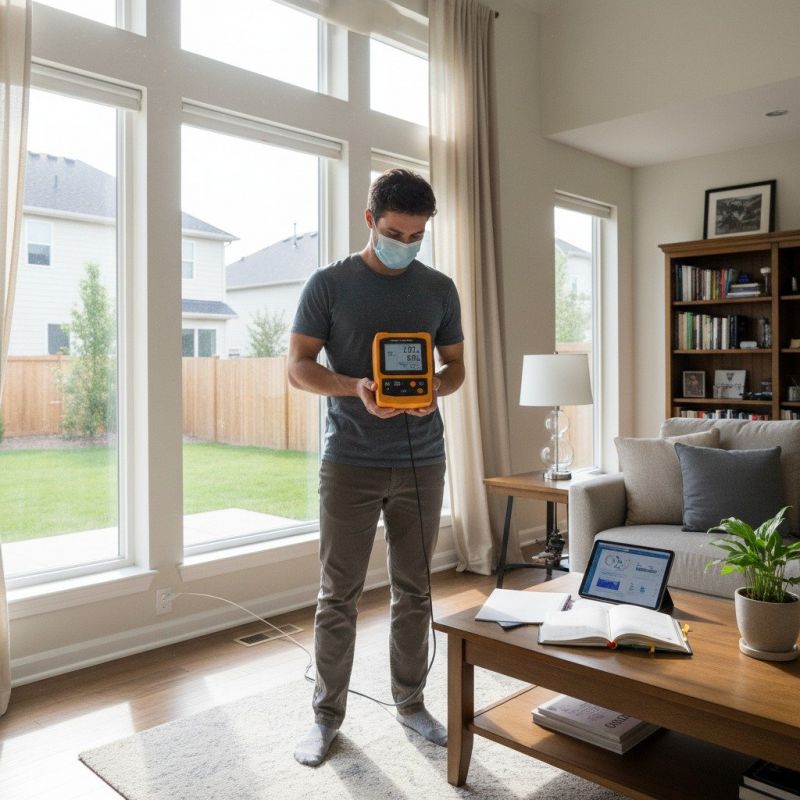

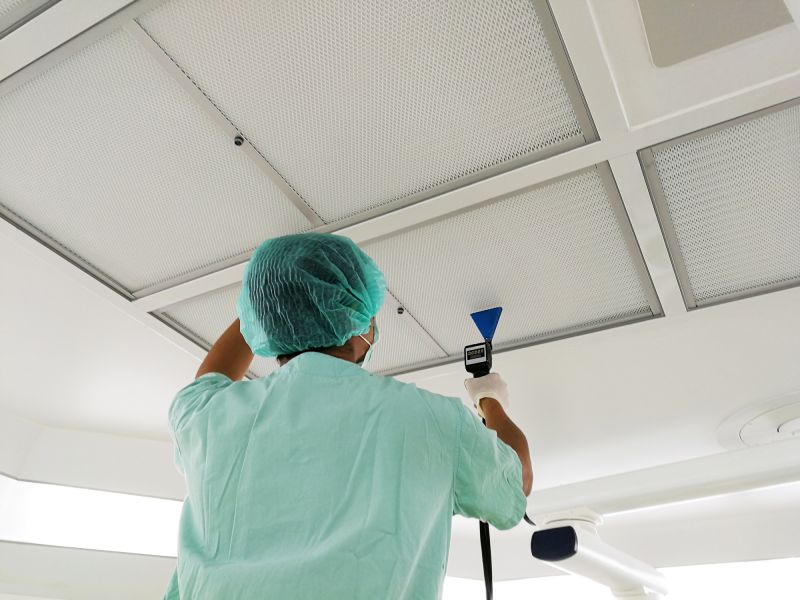
Residential air testing services involve assessing indoor air quality to identify potential contaminants or pollutants that may affect health and comfort. These services typically include sampling the air within a property and analyzing it for common issues such as mold spores, volatile organic compounds (VOCs), allergens, dust particles, and other airborne irritants. The process often utilizes specialized equipment to gather air samples, which are then examined to determine the presence and concentration of various substances. Property owners may choose air testing to better understand indoor air conditions, especially if occupants experience unexplained health symptoms or notice persistent odors.
These services help address common problems related to indoor air quality that can impact residents' health and well-being. Poor air quality may be caused by mold growth, outdated ventilation systems, chemical emissions from household products, or moisture issues that promote mold development. By identifying specific pollutants or sources of contamination, air testing can guide effective remediation strategies. Detecting airborne hazards early can prevent more serious health issues, reduce allergy or asthma symptoms, and improve overall indoor comfort.
Residential air testing services are frequently utilized in a variety of property types, including single-family homes, multi-family apartment buildings, condominiums, and townhouses. These properties often have complex ventilation systems or moisture management challenges that can contribute to air quality concerns. Additionally, homes undergoing renovations, recent water damage, or those located in areas with high pollution levels may benefit from testing. Commercially, these services are also relevant for small office spaces within residential buildings or mixed-use properties where indoor air quality is a priority.
Engaging with local service providers for residential air testing can help property owners identify and address indoor air quality issues effectively. These professionals conduct comprehensive assessments to detect pollutants and recommend suitable solutions tailored to the specific property. Whether addressing health concerns, preparing for property sales, or maintaining a safe living environment, residents can benefit from expert testing to ensure a healthier indoor atmosphere. Contacting experienced providers ensures that testing is thorough and results are accurate, supporting informed decisions about indoor air management.
The overview below groups typical Residential Air Testing projects into broad ranges so you can see how smaller, mid-sized, and larger jobs often compare in Boston, MA.
In many markets, a large share of routine jobs stays in the lower and middle ranges, while only a smaller percentage of projects moves into the highest bands when the work is more complex or site conditions are harder than average.
Initial Testing - Basic residential air testing typically costs between $200 and $400, covering initial assessments for common indoor air quality concerns. Prices may vary based on the size of the home and the scope of testing required.
Comprehensive Air Quality Analysis - More detailed testing, including multiple samples and advanced analysis, can range from $400 to $800. This is suitable for homes needing extensive indoor air quality evaluations.
Post-Remediation Testing - After air quality improvements, testing services generally cost between $150 and $300 to verify the effectiveness of remediation efforts. Costs depend on the number of areas tested and the complexity of the home.
Additional Sampling Services - Specialized testing for specific pollutants, such as mold or volatile organic compounds (VOCs), often starts around $250 and can go up to $600. The price varies based on the type and number of tests performed.
Actual totals will depend on details like access to the work area, the scope of the project, and the materials selected, so use these as general starting points rather than exact figures.
Residential Air Testing services help identify indoor air quality issues that may affect health and comfort in homes. Local providers offer comprehensive testing to detect pollutants, allergens, and other airborne contaminants.
HVAC System Testing ensures that heating and cooling systems are functioning properly and not contributing to indoor air problems. Specialists can assess system performance and recommend improvements.
Mold Inspection and Testing services identify mold presence and airborne spores that can impact indoor air quality. Certified technicians provide detailed assessments to support remediation efforts.
Radon Testing providers measure radon levels inside residential spaces to evaluate potential health risks. Accurate testing helps determine if mitigation measures are necessary.
Ventilation System Evaluation services assess the effectiveness of ventilation in maintaining healthy indoor air quality. Professionals can recommend enhancements to improve airflow and reduce pollutants.
Air Quality Monitoring services involve ongoing or spot testing to monitor indoor air conditions over time. Local experts can help identify patterns and sources of indoor air issues.

Residential air testing service providers vary in their experience levels, which can influence the accuracy and thoroughness of the testing process. Homeowners are encouraged to inquire about the background of local pros to ensure they have a solid track record in conducting air quality assessments. Well-established providers often have a history of handling diverse testing scenarios, which can contribute to more reliable results.
Clear written expectations are essential when selecting a local air testing professional. Pros should be able to outline what the testing process involves, what areas will be assessed, and how the results will be communicated. Having this information in writing helps homeowners understand what to expect and provides a basis for evaluating the professionalism of the service provider.
Reputable references and effective communication are key factors in choosing a local air testing expert. Homeowners can request references or reviews from previous clients to gauge the quality of service and reliability. Additionally, professionals who communicate clearly and promptly can help ensure that the testing process proceeds smoothly and that questions or concerns are addressed effectively. This approach can lead to a more informed and confident decision when selecting a service provider.
Property owners in Boston, MA use Residential Air Testing services for practical projects around their homes and businesses. The sections below highlight everyday jobs and straightforward project options.
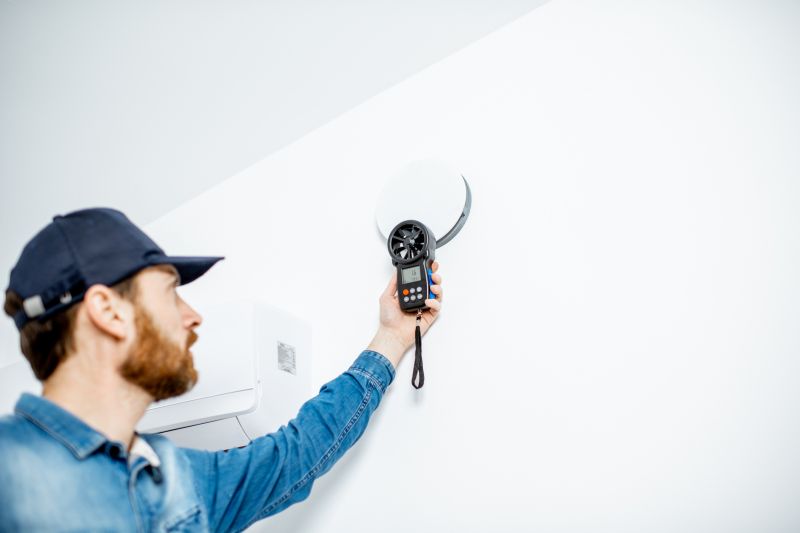
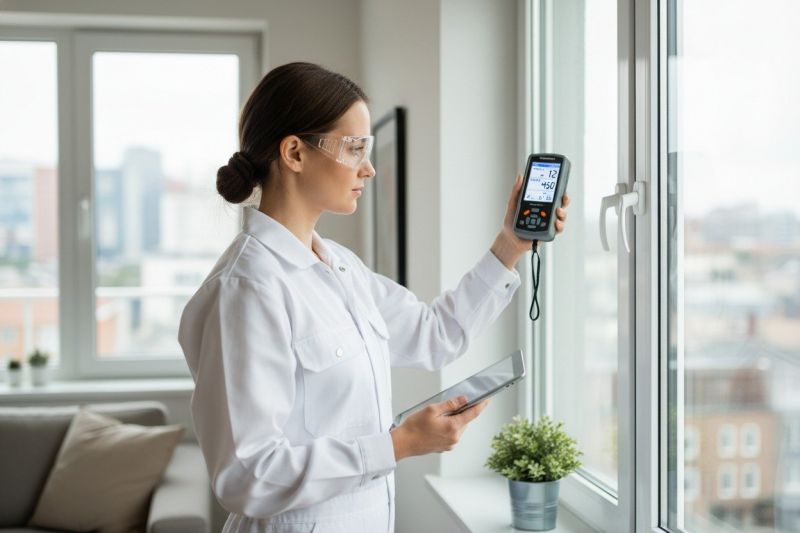
Residential air testing services are often sought by property owners in Boston, MA who want to ensure the air quality within their homes is safe and healthy. Common situations include concerns about indoor allergens, mold, or odors that may affect occupants’ comfort and well-being. Homeowners may also pursue air testing when renovating or remodeling to identify potential airborne contaminants that could impact indoor environments.
In addition, residents might look for air testing services after experiencing unexplained health symptoms or noticing signs of moisture and mold growth. These tests can help identify sources of indoor air pollution and provide information to guide necessary repairs or improvements. Connecting with local professionals can assist property owners in accurately assessing indoor air quality and addressing any issues that arise.
What is residential air testing? Residential air testing involves assessing indoor air quality and detecting issues such as pollutants, allergens, or contaminants within a home’s air system. Local service providers can perform these tests to identify potential concerns.
Why should homeowners consider air testing? Homeowners may consider air testing to identify sources of indoor air pollution, improve air quality, or address health-related concerns linked to airborne contaminants. Local pros can help determine if testing is appropriate.
How is air testing typically conducted? Air testing usually involves using specialized equipment to collect air samples, which are then analyzed to detect common pollutants or allergens. Local service providers can advise on the specific testing methods used.
Are residential air testing services invasive? Most air testing methods are non-invasive and involve minimal disruption to the home. Local professionals can perform tests efficiently without significant impact on daily routines.
How often should air testing be performed? The frequency of air testing depends on individual concerns, recent renovations, or suspected issues. Consulting with local experts can help determine an appropriate testing schedule.
Indoor Air Quality Testing - Professionals can assess the levels of pollutants and airborne contaminants inside residential properties to identify potential health risks.
Allergen and Mold Testing - Local specialists can detect mold presence and allergen levels to help maintain a healthier living environment.
Ventilation System Evaluation - Service providers can evaluate existing ventilation systems to ensure proper airflow and air exchange within homes.
Air Sampling Services - Experts can perform air sampling to identify specific airborne particles or chemicals that may impact indoor air quality.
Considering Residential Air Testing for a property in Boston, MA? The sections above highlight common project types, practical options, and details that often shape the scope of work.
When you are ready, use the quote form to share a few details about your project. Local pros can review the basics and respond with options that match what you have in mind.